The Elephant in the room
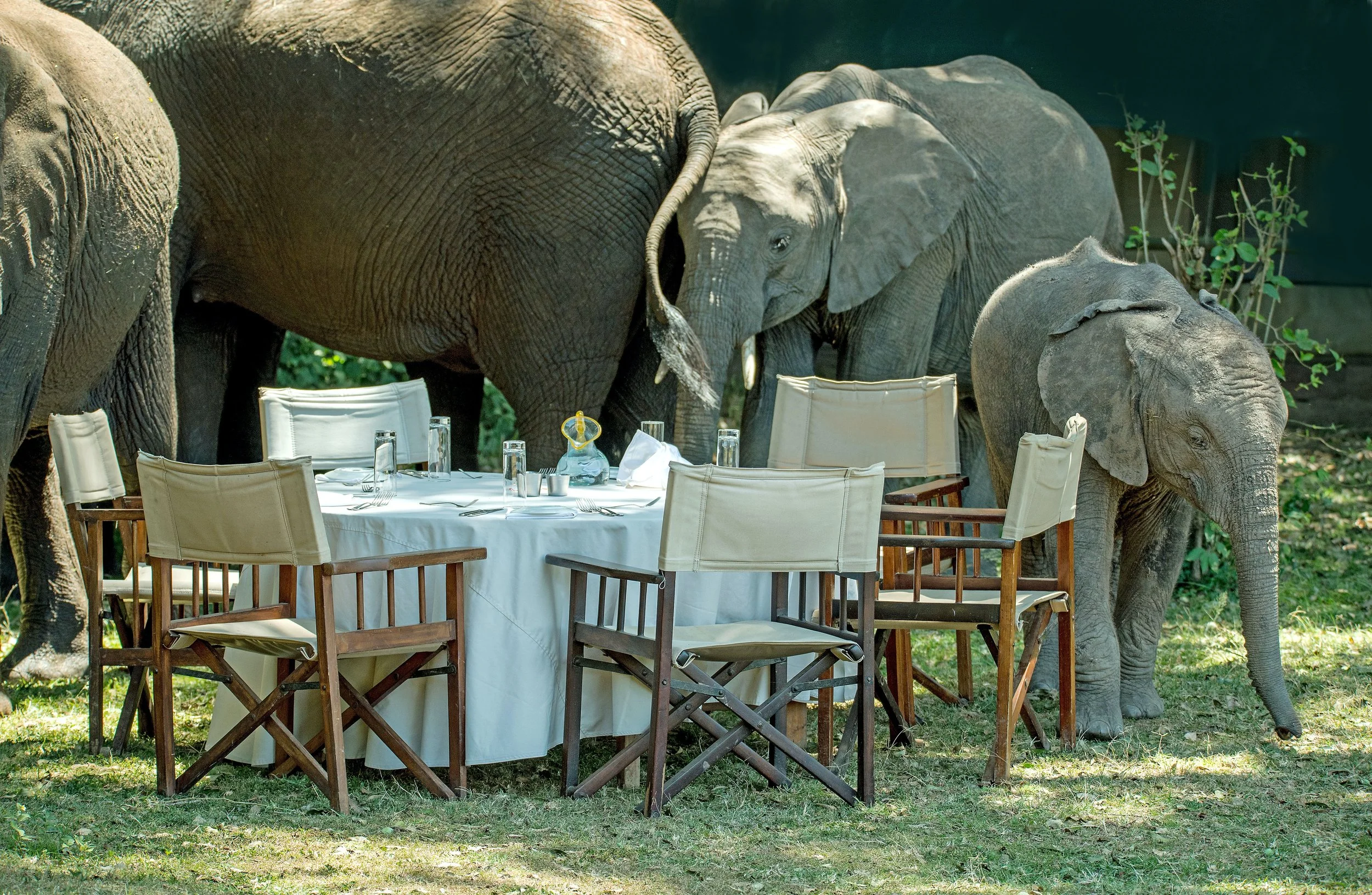
A day out
Yesterday we had a lovely family day at Paignton Zoo.
I started thinking about the elephant in the room – tricky because, since 2019, there haven’t been any elephants at Paignton Zoo, in the room or elsewhere.
Elephants
You see, elephants have complex behavioural and social needs that Paignton Zoo doesn’t adequately provide any more
And there are a number of similarities between elephants and humans; elephants:
· Have complex family structures
· Run to greet family and friends
· Have bonds between mother and daughter for over 50 years
· Mourn for their loved ones
· Can recognise themselves in a mirror
· Have a great memory and complex language skills
· Are picky eaters
Origins of “elephant in the room”
Although lots of Google entries claim that the phrase “elephant in the room” is of US origin from the 1930s, Wikipedia says that in 1814 Ivan Krylov (1769 – 1844) wrote a fable “The Inquisitive Man”, which tells of a man visiting a museum and noticing all sorts of things, but not the huge elephant.
But the idiomatic usage started somewhere between 1915 and the 1950s (depending on which version you believe) and, as we all know, refers to an enormous topic, question or issue that is obvious, but no one wants to talk about it.
So what is it?
Any group of people, whether a family, organisation, work structure, political party or maybe even people in general, can have an elephant in the room.
It’s a sort of conscious, collective, usually unspoken, decision to avoid talking about it. There is often denial, fear, pain – it’s like “the Emperor has no clothes”, until someone is brave enough (maybe sometimes naïve enough) to challenge the situation. For years certain illnesses or disabilities appeared to fall into that category.
The situation is changing
I sense there are generational issues here. On a personal level, I have always been more willing to challenge these issues than my father or grandfather were. In turn, I see my own children even more willing to challenge than I have been – and I have the sense that this is being replicated many times. Maybe one of the reasons is that many interactions are now less face-to-face/more impersonal through different communication methods – email, social media and the like. Perhaps that makes the challenge easier.
So, the picture is becoming more mixed. I’ve seen greater willingness to address situations in work, family and social settings – but in some areas the challenge is lacking.
Arguably, the greatest change a person has after entering full-time work is leaving full-time work. I know many will shout marriage, children, redundancy, job change or even pandemic.
Yes, all will have an effect – but arguably none so great as the move from what, for most, is a highly structured, controlled and fairly certain environment, to one where the time 24x365 and the activities are all yours.
A big elephant
It is true that some people have a sort of joyous honeymoon period when they first get into retirement/future life. But, in his book “The Four Phases Of Retirement: What To Expect When You’re Retiring”, Riley Moyes shows that people, almost invariably, then suffer what he refers to as “the five losses”:
· Loss of structure – deprived of the routine of their job, people often lose their sense of direction
· Loss of identity – no longer identifying ourself with our work moniker “I’m a teacher”, “I’m a lawyer” etc – and remember the Eddie George (former Governor of the Bank of England) caustic observation “Retirement: The transition from Who’s Who to who’s he?”
· Loss of relationships – the loss or winding down of work relationships with close colleagues and the realisation that we are now in different worlds (and for some this means most friendships wither)
· Loss if a sense of purpose – people often find their sense of purpose in their work. It has driven many years of their life; and now it’s gone
· Loss of a sense of power – frequently people have a sense of power or influence in senior positions. Others do their “bidding”. Suddenly all that is gone and it leaves a big void
The effects of these losses can be isolation, anxiety, stress and depression – little wonder that the year following retirement is recognised as a year of high growth in family breakdown and divorce.
Recovery from the five losses requires a change of mindset and real effort.
Perhaps worst of all, at least in my view, is that these losses are mostly unnecessary. If people simply challenged the retirement elephant in the room, they would engage in effective thinking and preparation, prior to retirement. This would bring about a change of mindset from internalised, unspoken and concerned; to confidence, clarity and certainty.
What can you do?
As with most things, you can do this yourself if you really put your mind and commitment to it; or you can get help.
One big word of advice (or maybe warning). Please don’t assume this is all about money.
It isn’t!
Money is important, but not until you have a clear picture of your future – and that entails clarity over what you want to do, where, when and with whom. That can have its complexities of activities, relationships, locations, priorities and preferences.
You’ll need to think about your health, relationships with any husband/wife/partner and what they want to do; and work out how you’ll have all the personal energy you need to achieve what you wish.
So, please don’t simply Google Retirement Planning” – unless you want about 491,000,000 entries (no I’m not joking – give it a whirl if you are sceptical), most of which are simply about finance.
What you need is help to understand and address the non-financial aspects – those that few people consider, until they experience the losses that I talked about earlier.
I like elephants. They are intelligent, sensitive, complex creatures. But I’m not quite so keen about elephants in the room. Hopefully you are not either.
Over to you
If you are in full-time work and have many years left, addressing the elephants in the (work) room will set things in action, and changes are clearly necessary, or the elephants would not exist.
If you are within a few years of giving up full-time work, I would urge you to address the retirement elephant. Why have a difficult time later when you can plan for the benefits if you do it differently?
Photo: David Clode on Unsplash.